Late Payment Email Examples That Actually Get a Response
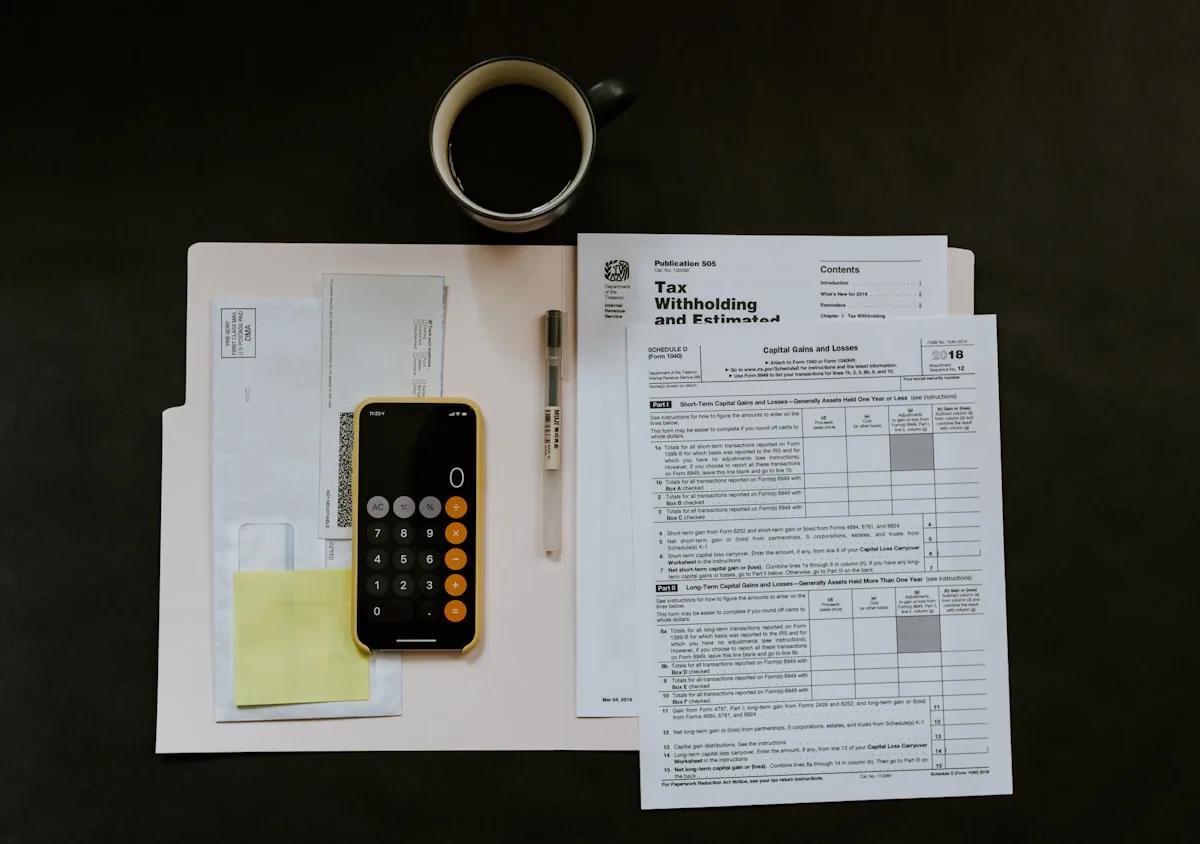
The average freelancer has $5,968 in unpaid invoices at any given time. The difference between getting paid in 30 days vs. 90 days isn't luck — it's having a system of follow-up emails that escalate at the right time, with the right language.
Here are the exact emails to send at each stage. These aren't hypothetical — they're calibrated from testing across hundreds of real freelancer-client situations. For the strategy behind when to send each stage, our guide to professional invoice follow-up covers the timing in detail.
Stage 1: The friendly check (1–7 days late)
At this stage, you're not “chasing payment.” You're confirming the invoice was received. This distinction matters — it changes the entire tone from demand to helpful check-in.
FOR NEW CLIENTS
Subject: Invoice #1042 for the homepage redesign
Message: Hi [Name], quick note — invoice #1042 for the recent project went out last week. Making sure it landed in the right inbox and you've got everything you need on your end. Can you confirm you received it?
FOR LONG-TERM CLIENTS
Subject: Invoice #1120
Message: Hey [Name], invoice #1120 for the logo revisions is a few days past due — $600. Totally get how these things slip, wanted to flag it before it gets buried. No urgency on my end, just keeping the books tidy.
Stage 2: The direct follow-up (8–21 days late)
A week of silence changes the equation. Your second email should be direct about the delay, reference your first message, and ask for a concrete commitment. If you'd rather not draft it yourself, the payment reminder generator writes this stage based on your client and how late the invoice is.
FOR ANY CLIENT TYPE
Subject: Invoice #1088 — following up
Message: Hi [Name], invoice #1088 for [amount] is now [X] days past due. I reached out last week but haven't heard back. Can you give me a sense of when this one's getting processed? Happy to resend if it got buried.
Stage 3: The final notice (21–30+ days late)
After three weeks, politeness becomes permission. Your final notice needs a hard deadline and a stated consequence. For freelancers, the most effective consequence is pausing work — it's immediate, it's fair, and it protects you from digging a deeper hole. If your contract includes a late fee, the late fee calculator shows you exactly how much to ask for.
WITH RELATIONSHIP TO PRESERVE
Subject: Invoice #982 — 5 weeks, need to resolve this
Message: Hi [Name], I've held off because I value the work we've done together, but invoice #982 for [amount] is now five weeks overdue. I can't carry the balance any longer. If I don't hear back with a concrete payment date by [day], I'll pause active work and send a formal notice. I'd much rather sort this out directly — what's the soonest you can get this through?
WITH NO RELATIONSHIP TO PROTECT
Subject: Invoice #1201 — 38 days overdue, requires resolution
Message: [Name], invoice #1201 for [amount] is now 38 days past due with no response to prior messages. This needs to be resolved immediately. If payment isn't received by end of week, this will be escalated to formal collections. You can settle online at [payment link] or reply here with any questions.
Stage 4: Day 45 — the escalation email
Six weeks changes the rules. If your contract includes a late fee or interest, this is where you actually apply it — a stated, countable cost is the strongest motivator left. If it doesn't, you can still name the next step without bluffing: a formal demand letter.
DAY 45 — ESCALATION
Subject: Invoice #1042 — 45 days overdue, late fee applies
Message: Hi [Name], invoice #1042 for [amount] is now 45 days past due. Under our agreement, a late fee of [X]% applies after 30 days — the current balance is [amount + fee]. I've attached the original invoice again. If I don't receive payment or a confirmed payment date by [date], I'll issue a formal demand letter. I'd still rather close this directly — what's the soonest you can settle?
Stage 5: Day 60+ — the formal demand
At 60 days, the email is no longer a reminder — it's a notice with legal teeth. Send it by email and certified mail, state the deadline, and name the actual consequence: collections, small claims, or a demand letter from an attorney. Only include clauses your contract actually supports — a claim you can't back up weakens everything you've sent before it. (This isn't legal advice; when the amount is large, spending a few hundred dollars on a lawyer's letter beats guessing.)
DAY 60 — FORMAL DEMAND
Subject: Final demand — Invoice #1042, [amount] due
Message: [Name], this is the final demand for invoice #1042 in the amount of [amount], now 60+ days overdue. Payment must be received by [date, 7 days out]. If it is not, I will file in small claims court [or: turn the account over to collections] without further notice. Pay online at [payment link]. I remain open to resolving this amicably before that date.
If the client has gone completely silent through all five stages — no replies, no excuses, no partial payments — the situation is ghosting, not lateness, and the playbook is different.
Before and after: the same reminder, weak vs. strong
The fastest way to feel the difference is to see it. Same situation — invoice 10 days late, no reply — two ways:
WEAK
Subject: Hey! Just checking in about the invoice, hope all is well with you and the team! Whenever you get a chance, no rush at all. Thanks so much!
STRONG
Subject: Invoice #1042 — following up
Message: Hi [Name], invoice #1042 for [amount] is 10 days past due. I reached out last week but haven't heard back. Can you confirm when this will be processed?
What changed, specifically:
- The subject line names the invoice. “Checking in” tells the client it's skippable; an invoice number tells them it's business.
- “Whenever you get a chance” became a date. Open-ended wording hands the client an infinite deadline. A question demands an answer.
- The apologies are gone. “No rush at all” translates to “this is optional.” The strong version treats payment as the normal conclusion of the work, not a favor.
- It's 40 words instead of 80. The weak version buries the point; the strong version is one glance.
If writing the strong version still feels uncomfortable, that's the politeness problem, not the writing problem — how to chase an invoice politely shows how to reframe the whole act, and why it's okay to chase clients for payment covers the permission side.
Why these emails work
All of these templates follow the same principles:
- They don't start with “I.” The first word is the invoice number or project name. The subject of the email is the work, not your feelings.
- They ask one specific question. Every email closes with a question that demands a concrete answer — not “let me know” but “can you confirm the date?”
- They never apologize. No “sorry to bother you,” no “just checking in.” You're not bothering anyone — you're collecting payment for completed work.
- They escalate proportionally. Each stage is noticeably firmer than the last. The client can feel the progression — and most pay before stage 3. If they don't, what to do when a client ignores your invoice covers the escalation beyond these templates.
Industry-specific adjustments
The structure stays the same across every field — but each industry has leverage points worth using:
- Creative services (design, writing, video). The deliverable is your leverage, used politely: “The final files are ready and will be released once payment clears.” Only say this if your contract says so — but if it does, it's the cleanest close there is.
- Development and tech. Reference the milestone and the sprint rhythm: “The next sprint is scheduled to kick off on Monday — I'll need invoice #1042 cleared before it starts.” Tech clients understand status gates; make payment a gate.
- Consulting and coaching. Your calendar is the leverage: “I'll hold our next session once the current invoice clears — let me know when it's on its way.” Firm, warm, and completely normal in a service business.
Subject lines: what the numbers say
Freelancers who track their own sends see the same patterns over and over:
- Invoice numbers work. Subjects containing the invoice number consistently out-open generic ones like “Payment reminder” — the number signals specificity, and specific emails get opened.
- “URGENT” and caps backfire. All-caps subjects read as spam and get lower open rates than plain ones. Urgency belongs in the message, not the subject line.
- Shorter wins. Subjects under 60 characters survive mobile inboxes intact. “Invoice #1042 — 10 days overdue” fits; anything longer gets cut off.
- Numbers beat adjectives. “38 days overdue” outperforms “significantly overdue.” Concrete numbers are impossible to argue with.
None of this requires cleverness — just consistency. Use the same pattern every time and your clients learn to recognize your invoice emails before they even open them, which is exactly what you want.
Don't copy-paste generic templates.
BidPropel generates each email calibrated to your exact client, amount, and situation. Every output is unique — no template library feel.
Generate your late payment email ?Written by Muhammad Miqdad
Founder, BidPropel
Muhammad is a full-stack AI engineer who built BidPropel after experiencing firsthand how much time freelancers waste on proposals that get ignored and invoices that go unpaid. He writes about AI tools, freelance business strategy, and getting paid on time.
More about the author →Frequently asked questions
- What is a good email to send for a late payment?
- A good late payment email is calibrated to how late the payment is and your relationship with the client. At 1-7 days, send a gentle check-in framed as a delivery confirmation. At 8-21 days, send a firm but warm email that directly asks for a payment date. At 30+ days, send a final notice with clear consequences. Every effective late payment email asks one specific question — never ends with a vague "let me know."
- How many days after the due date should I wait before sending a payment reminder?
- Send your first reminder 1-3 business days after the due date. This gives the client a short grace period for weekends, holidays, or internal processing while keeping the invoice from getting buried. Waiting longer than a week signals that late payment carries no consequences and makes each subsequent reminder less effective.
- What is the best subject line for a late payment email?
- The best subject line includes the invoice number and is under 60 characters. For gentle reminders: "Invoice #1042 for [project name]". For firm follow-ups: "Invoice #1042 — following up". For final notices: "Invoice #1042 — [X] days overdue, requires resolution". Never use "URGENT" or "OVERDUE" in all caps, and never use exclamation marks.