The Ultimate Invoice Follow-Up Guide — Get Paid on Time, Every Time
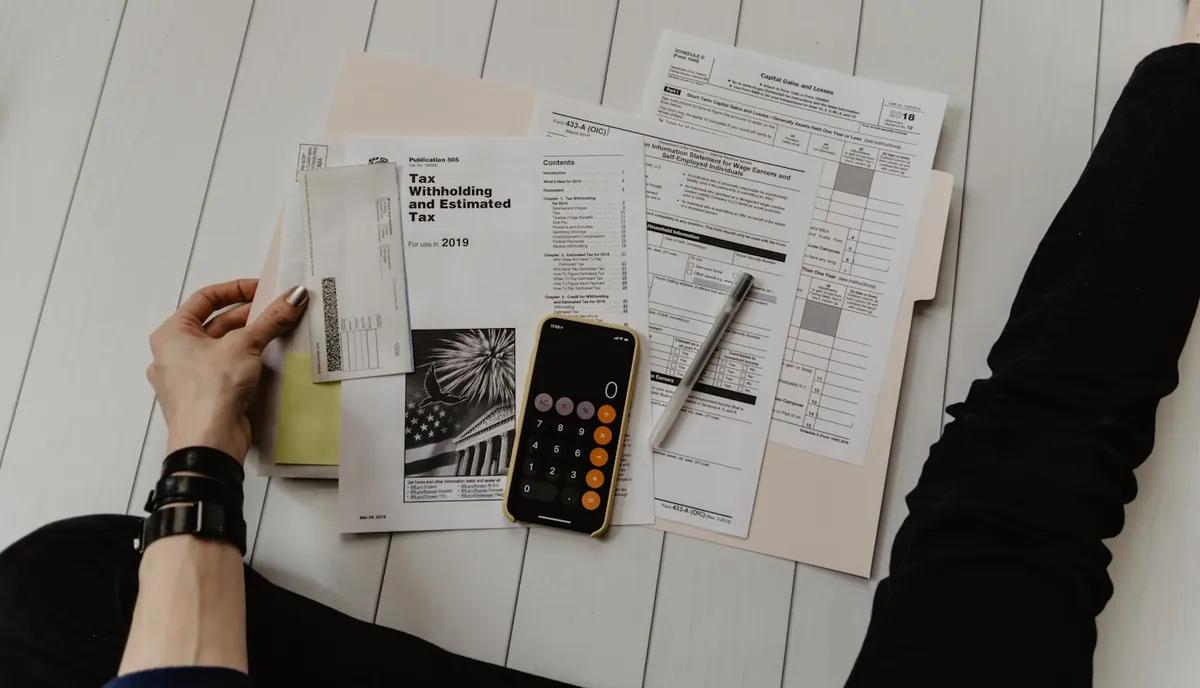
85% of freelancers are paid late. The average freelancer has $5,968 in unpaid invoices and spends 36 hours per year chasing payments. Not because clients are bad people — but because freelancers do not have a system for following up.
This guide brings together everything we know about getting paid on time. Whether you are sending your first payment reminder or dealing with a client who has gone completely silent, you will find the exact strategies, email templates, and tools here.
The psychology: why asking for money feels so hard
Most freelancers freeze when it is time to ask for payment. The email sits in drafts. The anxiety builds. And the invoice ages while you mentally write and rewrite a message you never send. Read our deep dive on whether it is okay to chase clients for payment — the data and reframe that makes following up feel professional instead of personal.
The fix is having a system: pre-written templates, a follow-up schedule, and the understanding that you are not "bothering" anyone. You are providing a professional service and deserve to be paid.
The 3-email invoice follow-up system:
- Day 1–3: Gentle check-in — framed as delivery confirmation, assume good faith
- Day 7–10: Direct follow-up — state facts, ask for concrete payment date
- Day 21–30: Final notice — hard deadline with stated consequences
The system: how to ask for payment professionally
The single most important thing you can do is have a calibrated escalation ladder — each step more direct than the last, with clear triggers for when to move to the next level. Most freelancers either chase too aggressively (damaging relationships) or too passively (never getting paid). The right system sits in the middle.
For the complete psychology and 4-step escalation system with exact email templates for each stage, read how to ask a client for payment without feeling awkward.
The mechanics: exactly how to follow up
Every effective invoice follow-up has the same structure: salutation with first name, opening line with invoice number and project name, 1-2 body sentences stating the situation, a specific ask for a concrete answer, and a closing that ends on the ask — not a weak sign-off.
Timing matters too. Send follow-ups Tuesday through Thursday mornings, 8-10 AM in your client's timezone. Avoid Monday mornings and Friday afternoons. For the complete mechanics, read how to follow up on an invoice professionally.
The reframe: chasing without feeling like a nuisance
The difference between an email that feels awkward and one that feels professional comes down to framing. You are not "chasing" — you are providing a factual update that the client needs. Most late payments are administrative, not malicious. Your follow-up email surfaces something that slipped through the cracks.
Learn the exact language swaps that transform a guilt-ridden follow-up into confident professional communication in our guide on how to chase an invoice politely.
The templates: copy-paste emails that get responses
Do not write these emails from scratch every time. Use pre-written templates calibrated to each stage — gentle day-3 check-ins, firm day-14 follow-ups, and final day-30 notices with teeth. For the complete template library with breakdowns of why each line works, see our late payment email examples.
The edge cases: ghosting, excuses, and when to stop
What happens when a client goes completely silent? Follow a 4-step escalation plan: gentle check → direct follow-up → consequence email (pause work) → final notice with collections escalation. Read the full action plan for when a client ignores your invoice.
And how many times should you follow up? The data says three — response rates drop to single digits after the third contact. For the full data-backed analysis, read how many times you should follow up on an unpaid invoice.
Complete invoice follow-up resource library
Everything in one place — from psychology to templates to edge cases.
How to Ask a Client for Payment
The psychology of payment anxiety and a 4-step escalation ladder with exact email templates for each stage.
7 min read →
How to Follow Up on an Invoice Professionally
Complete guide: when to send the first reminder, exactly what to say, and how to escalate without burning bridges.
6 min read →
How to Chase an Invoice Without Feeling Like a Nuisance
Reframe the money chase. You are not being annoying — you are giving the client information they need.
5 min read →
Late Payment Email Examples That Work
Copy-paste email templates for every stage — gentle day-3 nudges through firm day-30 final notices.
6 min read →
Client Ignoring Your Invoice? What to Do
Step-by-step action plan with exact emails for each escalation stage when a client goes completely silent.
7 min read →
How Many Times Should You Follow Up?
Data-backed follow-up cadence: response rates drop sharply after the third contact. Learn the optimal timing.
5 min read →
Is It Okay to Chase Clients for Payment?
Yes — and here is why. Data on late payments, why freelancers hesitate, and how to reframe the follow-up.
4 min read →
Stop chasing payments manually.
BidPropel generates calibrated invoice follow-up emails for your exact situation — factoring in the amount, how late it is, and your client relationship. Free tier: 3 invoice emails per month.
Generate your first follow-up free →Written by Muhammad Miqdad
Founder, BidPropel
Muhammad is a full-stack AI engineer who built BidPropel after experiencing firsthand how much time freelancers waste on proposals that get ignored and invoices that go unpaid. He writes about AI tools, freelance business strategy, and getting paid on time.
More about the author →Frequently asked questions
- How do I get clients to pay invoices on time?
- The most effective approach is a system of escalating follow-ups: (1) Send a gentle reminder 1-3 days after the due date framed as a delivery check, (2) Follow up at day 7-10 with a direct ask for a payment date, (3) Send a final notice with consequences at day 21-30 if still unpaid. Having pre-written templates for each stage removes the emotional friction. Also, set clear payment terms upfront, invoice promptly, and make paying easy with online payment links.
- What should I write in an invoice follow-up email?
- Every effective invoice follow-up has the same structure: open with the invoice number and project name (not "I" or "sorry"), state the situation in 1-2 factual sentences, ask one specific question that requires a concrete answer ("When can I expect this to be processed?"), and close on the ask. Keep it under 70 words. Never use weak language like "just checking in," "sorry to bother you," or "whenever you get a chance."
- How many times should I follow up before giving up?
- Three times over 30-45 days, escalating each time. After three unanswered messages, further emails rarely increase your chances — at that point, send a formal final notice and either escalate to collections, small claims court, or write it off. For amounts under $500, the time cost of escalation often exceeds the invoice value.
- Is it okay to chase a client for payment?
- Yes — and it is expected professional behavior. 85% of freelancers report being paid late at some point. Large companies have entire accounts receivable departments dedicated to payment follow-up. As a solo freelancer, you are your own AR department. Following up professionally, with a calibrated system, is not pushy — it is running your business.
- What tone should I use in a payment reminder?
- Match your tone to the stage: gentle and benefit-of-the-doubt for the first reminder (days 1-7), firm but warm for the second (days 8-21), and direct with clear consequences for the final notice (days 21+). Avoid weak softening words like "just," "maybe," and "sorry." State facts, ask for a concrete date, and never end with a vague "let me know."