How to Follow Up on an Invoice Professionally
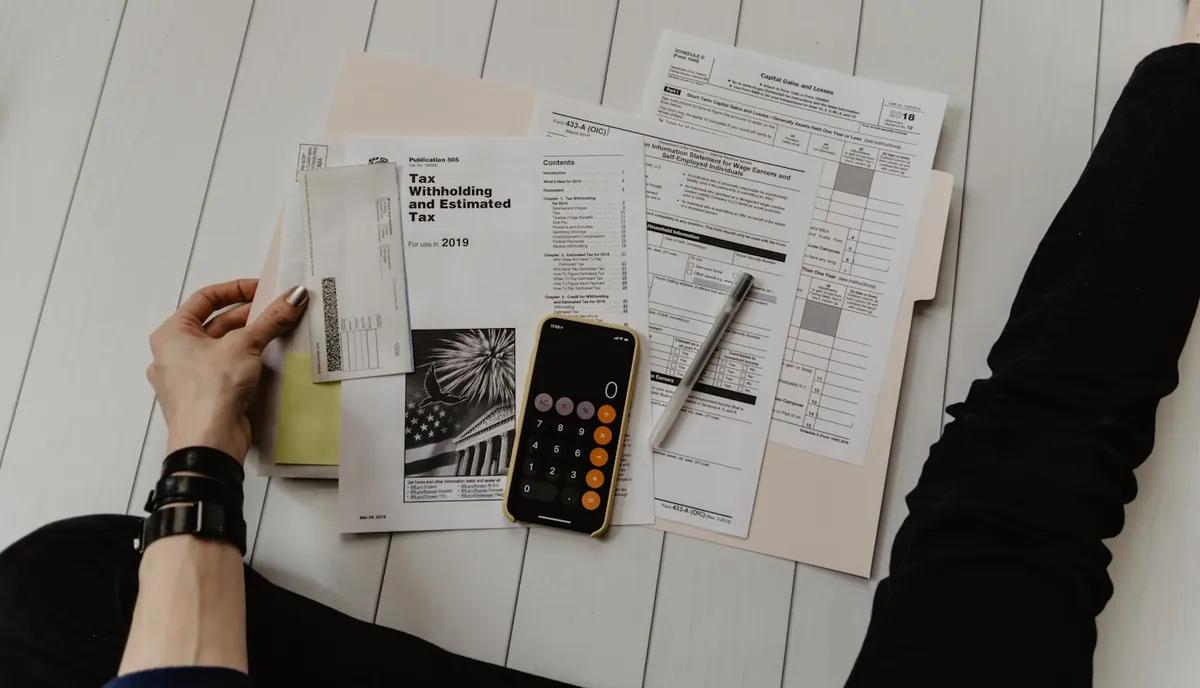
The invoice follow-up is the most dreaded email in freelancing — and also the most important. Done well, it gets you paid faster. Done poorly, it either gets ignored or damages a relationship. Here's the complete system — and if you'd rather copy ready-to-send messages, our late payment email examples collect tested templates for every stage.
The follow-up timeline
Most freelancers follow up too late or too aggressively. The right cadence:
| Days past due | Action | Tone |
|---|---|---|
| 1–3 | First check-in | Gentle |
| 7–10 | Second follow-up | Firm but warm |
| 14–21 | Third reminder with consequence | Firm / Final notice |
| 30+ | Formal notice | Final notice |
The timeline in real dates: a worked example
Timelines in the abstract are easy to ignore. Here's the same system with real dates. Say you finished a $2,400 website project on February 1, invoiced the same day, and offered net-14 terms:
| Date | Days past due | What you send |
|---|---|---|
| Feb 1 | — | Invoice #1042 sent, due Feb 15. |
| Feb 18 | 3 days | First check-in: “Making sure invoice #1042 landed in the right inbox.” |
| Feb 24 | 9 days | Second follow-up: “Invoice #1042 is 9 days past due — can you confirm a payment date?” |
| Mar 3 | 16 days | Third reminder: state the consequence — paused work or a late fee if nothing lands by Mar 10. |
| Mar 17 | 30 days | Final notice with a hard deadline, then formal escalation. |
A few things to notice about this example. The dates all land on weekdays — send on Tuesday through Thursday mornings in the client's timezone, never Friday afternoon. Each message is one notch firmer than the last. And there are no gaps longer than 8 days, so the invoice never gets a chance to fall out of sight.
What to put in each follow-up
Every effective invoice follow-up has the same structure. Master this and you'll never stare at a blank screen again. The ultimate invoice follow-up guide takes this structure further with complete templates and timing for every stage.
- Salutation. “Hi [FirstName]” for most situations. “Hey [FirstName]” for long-term clients. For companies, “Hi [CompanyName] team.”
- Opening line. Invoice number + project name. Never “I.” Example: “Invoice #1042 for the homepage redesign is now 10 days past due.”
- Body (1-2 sentences). State the situation. Reference context if you have it. “You mentioned it would land by Friday — can you let me know what happened?”
- The ask. One question that demands a concrete answer. “Can you confirm the date?” / “What timeline works?” / “When can I expect this?”
- Closing. End on the ask or a next step. Do not end with “Thanks,” “Best,” or “Cheers” as a standalone sign-off — they dilute the call to action.
Tailor each stage to the relationship
The structure stays the same for every client. The wording changes. Here's how the same three stages sound with different relationships:
| Relationship | Gentle stage | Firm stage | Final stage |
|---|---|---|---|
| New client | “Can you confirm you received it? Happy to resend.” | “Haven't heard back — is anything unclear on the invoice?” | Factual final notice. No warmth needed; you barely know each other. |
| Repeat client | “Just flagging invoice #1088 before it slips — you know the drill.” | “This is a first for us — what's going on? Can we get a date?” | Reference the history: “We've never had a delay like this.” |
| Long-term client | “Invoice #1120 is a few days past due — no stress, just keeping the books tidy.” | Direct and shorter: “Need a payment date on #1120 this week.” | Personal, but still a deadline: “I can't carry this one any longer.” |
One warning: familiarity shouldn't soften the final stage. The client who knows you best is also the one most likely to assume you'll let it slide. If you'd rather copy full emails than adapt one-liners, the late payment email examples post has every stage written out — and how to ask a client for payment covers the exact language of the ask itself.
The psychology of escalation timing
The cadence works because it matches how clients actually process late invoices. The 7-day gap does two jobs at once. First, it keeps the invoice recent — a payment that was due last week feels actionable; one from two months ago feels like history. Second, it gives the client room to act without feeling cornered, so a legitimate delay doesn't turn into a defensive standoff.
The escalation itself matters just as much. Clients read your firmness as information: if the first reminder is soft, the second slightly firmer, and the third attached to a consequence, they learn you mean business — without a single aggressive word. Most invoices get paid at stage 2, not because stage 2 is pushy, but because the client realizes the silence isn't going to make this disappear.
There's also a fairness effect worth naming. You delivered on the deadline you promised. A follow-up system that respects your own deadlines sends the message that you expect the same respect in return — and clients generally rise to that expectation. And if you still feel guilty about sending any of these, is it okay to chase clients for payment settles that question.
Build the tracking system so nothing slips
The best follow-up system in the world fails if you forget to run it. A basic invoice tracker — a spreadsheet with one row per invoice — is enough:
- Invoice number, client, amount, and due date — the four facts you'll reference in every email.
- Sent date and each follow-up date — so you always know which rung of the ladder you're on.
- Next action and date — e.g., “follow up Feb 24,” not “wait for payment.”
- A status column — pending, followed up, disputed, paid, written off. Nothing disappears; everything resolves.
If you use accounting software, most tools have automatic reminders built in — set the gentle one at 1–3 days and the firm one at 7–10 days, then handle only the later stages by hand. Calendar events work too: put the next follow-up on your calendar the moment you send the current one. And if you'd rather have the system write the emails, the payment reminder generator produces each stage based on the days overdue — you just schedule and send.
When to escalate
The biggest mistake freelancers make is staying gentle for too long. Here's the rule: if the client hasn't responded after two emails and 14 days, move to a firm tone regardless of your relationship. Silence is a response — and it requires escalation. For the data on response rates at each stage, see how many times to follow up on an invoice.
The second mistake: not having a stopping point. After three emails over 30+ days with no response, send a final notice and stop. At that point, further emails don't increase your chances of payment — they just drain your energy. Escalate to formal collections or write it off. And if you'd rather generate each email than hand-write it, the payment reminder generator drafts the entire sequence for you.
Stop writing follow-up emails manually.
BidPropel generates the exact email for your situation — calibrated to the days overdue, the amount, and your client relationship.
Write your follow-up email — free ?Written by Muhammad Miqdad
Founder, BidPropel
Muhammad is a full-stack AI engineer who built BidPropel after experiencing firsthand how much time freelancers waste on proposals that get ignored and invoices that go unpaid. He writes about AI tools, freelance business strategy, and getting paid on time.
More about the author →Frequently asked questions
- How do I follow up on an unpaid invoice professionally?
- A professional invoice follow-up has five elements: (1) Salutation with the client's first name, (2) Open with the invoice number and project name, (3) State the situation in 1-2 factual sentences, (4) Ask one specific question that requires a concrete answer, (5) Close on the ask — not with "Thanks" or "Best" as a standalone sign-off. Follow the escalation ladder: gentle at 1-7 days, firm at 8-21 days, and final notice at 30+ days.
- What is the best time to send an invoice follow-up email?
- Send invoice follow-ups on Tuesday, Wednesday, or Thursday mornings between 8-10 AM in the client's timezone. Avoid Monday mornings (inbox overload), Friday afternoons (weekend mode), and any time after 4 PM. Your first follow-up should go out 1-3 business days after the due date.
- Should I call a client about an unpaid invoice?
- A phone call can be effective after two unanswered emails, but only for long-term or repeat clients where you have an established relationship. For new clients, stick to email — it creates a paper trail. If you do call, follow up immediately with an email summarizing what was discussed: "Per our call, payment will arrive by Friday the 15th."